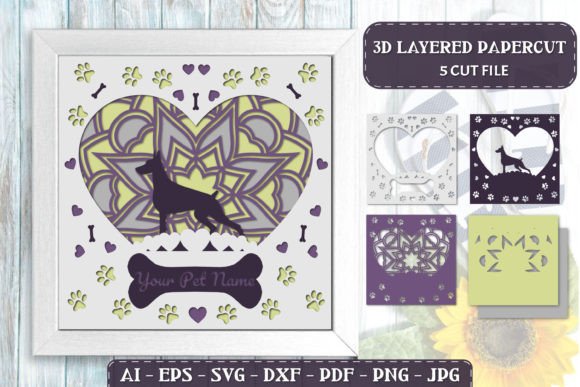
Doberman Papercut: Laser Cutting & Wall Decor Review
As a graphic designer who has spent years curating assets for branding, marketing visuals, and physical product lines, I approach every new design file with a critical eye. Recently, I evaluated the Pet Dog 3D Layered Papercut - Doberman to determine if it holds up under the scrutiny of a real client project. My current assignment involves rebranding a boutique handmade business that specializes in premium pet accessories. The client needs a visual identity that feels artisanal yet modern, something that bridges the gap between digital social media graphics and tangible home decor. This is where the decision to use or discard an asset becomes crucial.
First Impressions: Mood and Visual Style
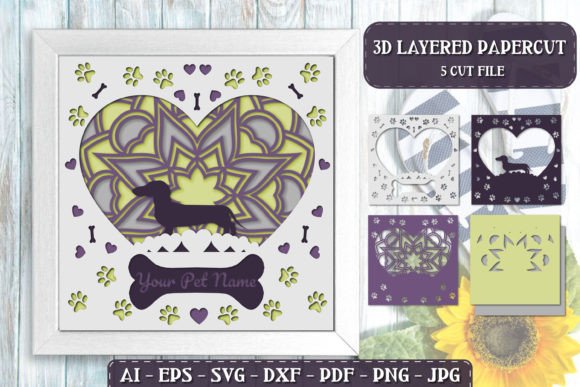
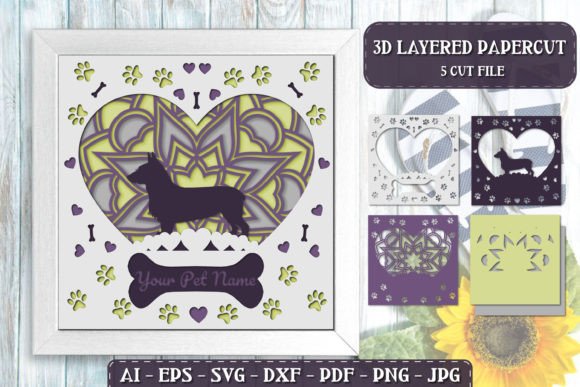
Upon opening the file, the first thing that strikes you is the depth. Unlike flat clipart or standard vector illustrations, this piece utilizes a layered papercut aesthetic to create genuine dimension. The Doberman breed is known for its sleek lines and protective nature, and this design captures that essence perfectly without feeling aggressive. Instead, it evokes a sense of elegance and loyalty. The visual elements feel crisp, with clean edges that suggest high-quality execution. For a small business branding project, this mood is invaluable. It immediately elevates the perceived value of the brand, suggesting craftsmanship and attention to detail.
The style represents a blend of modern design and traditional artistry. It fits naturally into projects that require a touch of whimsy but demand a level of sophistication suitable for a commercial license environment. Whether you are looking at it as a potential logo design element or a centerpiece for packaging design, the emotional appeal is strong. It creates an immediate connection with dog lovers, which is the target audience for many Etsy products and print-on-demand sellers.
Performance in Real Design Situations
To truly understand the versatility of the Pet Dog 3D Layered Papercut - Doberman, I tested it across various mediums. In the context of product mockups, the asset shines. Placing it on a t-shirt design or a tote bag renders beautifully because the layers interact well with fabric textures in the preview. For packaging design, such as a box for a luxury dog treat line, the 3D effect adds a tactile promise before the customer even opens the package. It works exceptionally well as a hero graphic on a website or in editorial design layouts where space allows the details to breathe.
I also explored its potential for Cricut projects and laser cutting applications. Since the product description highlights its suitability for light boxes and wall decoration, I simulated how the layers would nest. The separation between the foreground and background layers is distinct enough to be cut from wood or acrylic without structural failure. This makes it a prime candidate for a creative marketplace seller offering custom home decorations. Furthermore, as a sticker design, the die-cut potential is excellent, allowing the negative space to reveal the surface beneath, adding another layer of visual interest.
For digital creators using Canva templates or designing social media graphics, the PNG format offers transparency that integrates seamlessly over busy backgrounds. However, the true power lies in its ability to serve as a supporting brand element. Imagine using it subtly in the corner of an Instagram post or as a watermark on blog visuals. It reinforces brand consistency without overwhelming the primary message.
Strategic Placement: Where It Excels
This design asset performs best in large layout areas where the intricate details can be appreciated. As a printable design for A3 or A2 posters, the Doberman's features remain sharp and engaging. It is also ideal for themed collections, such as a seasonal campaign for "Guardian of the Home" or a special day sign for a dog lover's birthday. The depth of the papercut style makes it perfect for light box displays, where backlighting enhances the shadows and creates a dramatic, gallery-worthy effect. In these scenarios, the asset transforms from a simple illustration into a statement piece.
When used in marketing visuals, it draws the eye effectively. In a crowded feed of flat images, a 3D layered design stands out, increasing audience engagement. It signals professionalism and creativity, traits that build visual trust with potential customers. For a handmade business, having a unique asset like this differentiates the brand from competitors relying on generic stock photos.
Cautionary Notes: Limitations and Constraints
Despite its strengths, the Pet Dog 3D Layered Papercut - Doberman requires careful handling in certain contexts. It should not be used in small sizes, such as favicons or tiny app icons, where the layered details will blur and lose their impact. Crowded layouts can also diminish its effectiveness; the design needs breathing room to maintain its visual hierarchy. If placed against a complex, low-contrast background, the layers may merge visually, defeating the purpose of the 3D effect.
Additionally, this asset might feel too ornate for minimalist branding or professional corporate materials that demand stark simplicity. While it is a powerful creative design tool, it is not a one-size-fits-all solution. Designers must consider whether the playful, artistic nature of the papercut style aligns with the overall tone of the project. For instance, a serious veterinary clinic might find it too decorative, whereas a boutique grooming salon would embrace it.
Practical Designer Checklist
Before integrating this asset into a final deliverable, I recommend running through a specific set of checks. First, test the design in black and white to ensure the contrast remains effective without color reliance. Preview it at both small and large scales to verify readability. Place it on real mockups—such as a mug, a lamp shade, or a framed print—to see how lighting affects the perception of depth.
If you plan to use it for laser cutting, inspect the vector paths (if available) to ensure they are closed and clean. Check the SVG design files for any stray nodes that could cause cutting errors. For digital use, review the PNG transparency to ensure there are no jagged edges around the silhouette. Compare the font styles that pair well with the image; a script font or handwritten font often complements the organic feel of papercut art, while a bold sans serif font can provide a modern counterpoint.
Finally, always confirm the commercial license terms. Ensure that the rights allow for use in client work, merchandise sales, and unlimited prints. This step is non-negotiable for protecting your business and your clients. Once verified, the Pet Dog 3D Layered Papercut - Doberman proves to be a robust addition to any designer's toolkit, capable of turning a standard project into a memorable visual experience.